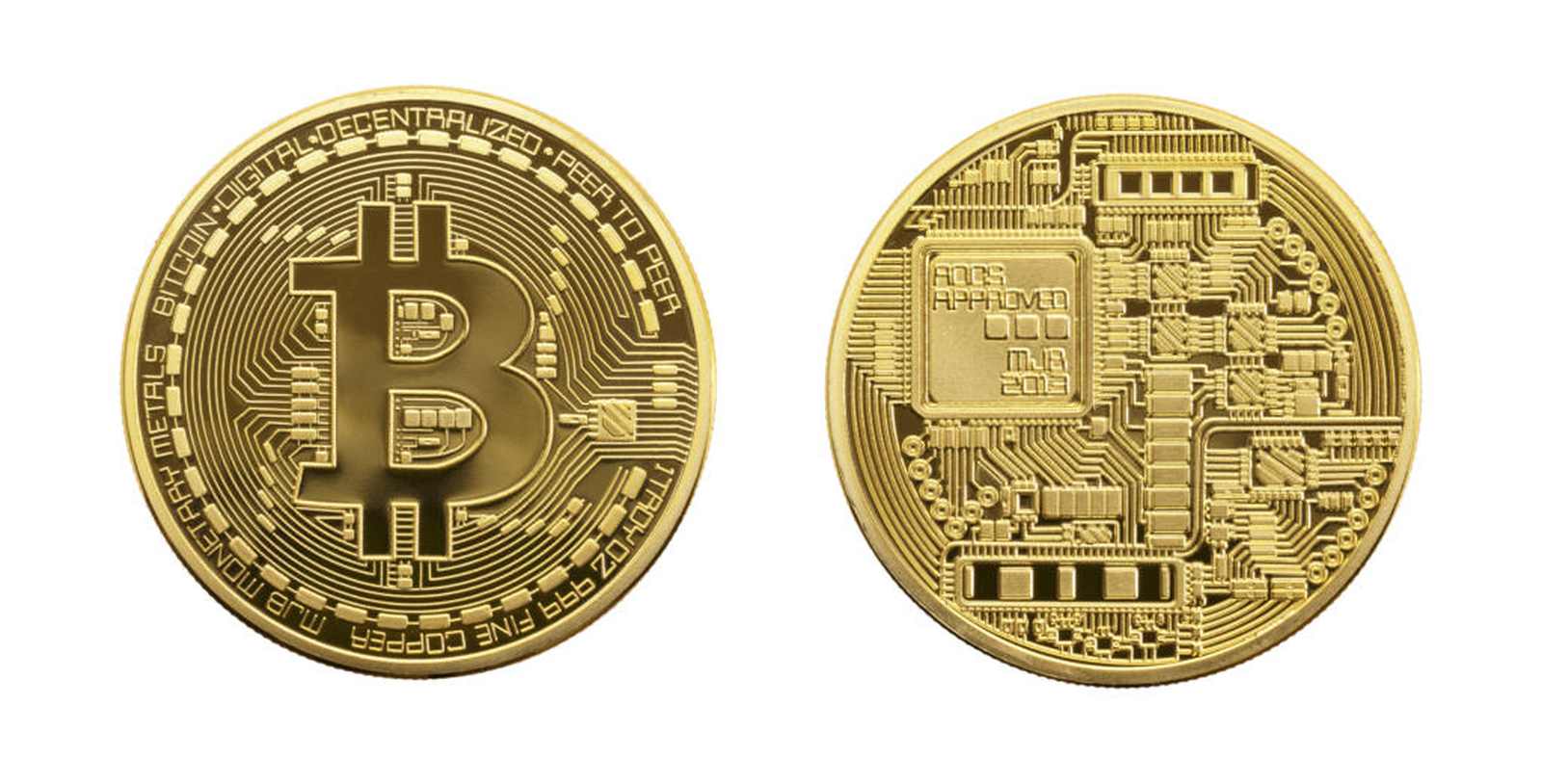
What is Bitcoin and How Does it Work?
Bitcoin is a decentralized digital currency that enables peer-to-peer transactions over the internet without the need for a central authority, such as a bank or government. Created in 2009 by an anonymous individual or group of individuals using the pseudonym Satoshi Nakamoto, Bitcoin operates on a technology called blockchain. This blockchain is a public ledger that records all transactions made with Bitcoin, ensuring transparency and security. Users can send and receive Bitcoin through a digital wallet, which can take the form of software applications on computers or smartphones, as well as hardware devices that store private keys necessary for transactions.
The way Bitcoin works can be summarized in several key steps:
- Transaction initiation: A user creates a transaction and broadcasts it to the Bitcoin network.
- Verification: Miners, who are individuals or entities with powerful computers, validate the transaction and group it with others in a block.
- Consensus: The miners compete to solve complex mathematical problems to add the block to the blockchain, a process called mining.
- Confirmation: Once added, the transaction is considered confirmed, and the recipient’s digital wallet reflects the new balance.
The Potential Risks and Rewards of Investing in Bitcoin
Investing in Bitcoin has become a topic of considerable interest, and while the potential for high returns is alluring, it is essential to consider the risks involved. One significant risk is the volatility of the cryptocurrency market, where prices can fluctuate dramatically in short periods. This unpredictability means that investors can face substantial losses as quickly as they can achieve gains. Additionally, regulatory changes and government scrutiny may impact Bitcoin's value; sudden restrictions or unfavorable regulations could lead to steep declines in market confidence.
On the other hand, the rewards of investing in Bitcoin can be profound. Over the past decade, Bitcoin has demonstrated an unprecedented growth trajectory, making early investors substantial profits. As more institutions and mainstream businesses begin to adopt Bitcoin, its acceptance as a legitimate asset class continues to grow, potentially leading to further price appreciation. Additionally, Bitcoin is increasingly viewed as a hedge against inflation, as its supply is capped, unlike traditional currencies. As with any investment, conducting thorough research and understanding both the potential risks and rewards is crucial for successful participation in the Bitcoin market.
How to Safely Store Your Bitcoin: A Beginner's Guide
For beginners venturing into the world of cryptocurrency, storing Bitcoin safely is a crucial aspect to grasp. One of the first steps is selecting the right type of wallet for your needs. There are several options available:
- Hardware wallets: These are physical devices that store your Bitcoin offline, providing an extra layer of security against online threats.
- Software wallets: Applications you can install on your computer or mobile device. While easier to access, they are more vulnerable to hacking.
- Paper wallets: A printed document that contains your Bitcoin address and private key. Although secure from online attacks, they can be easily lost or damaged.
Once you have selected a wallet, it's important to practice good security habits. Always enable two-factor authentication (2FA) if available, and be cautious of phishing attempts that could compromise your account. Additionally, consider regularly backing up your wallet and storing the backup in a secure location. It's also wise to diversify your storage; instead of keeping all your Bitcoin in one place, distribute it across multiple wallets as a precaution. By following these guidelines, you can significantly enhance the safety of your Bitcoin storage and enjoy peace of mind in your cryptocurrency journey.