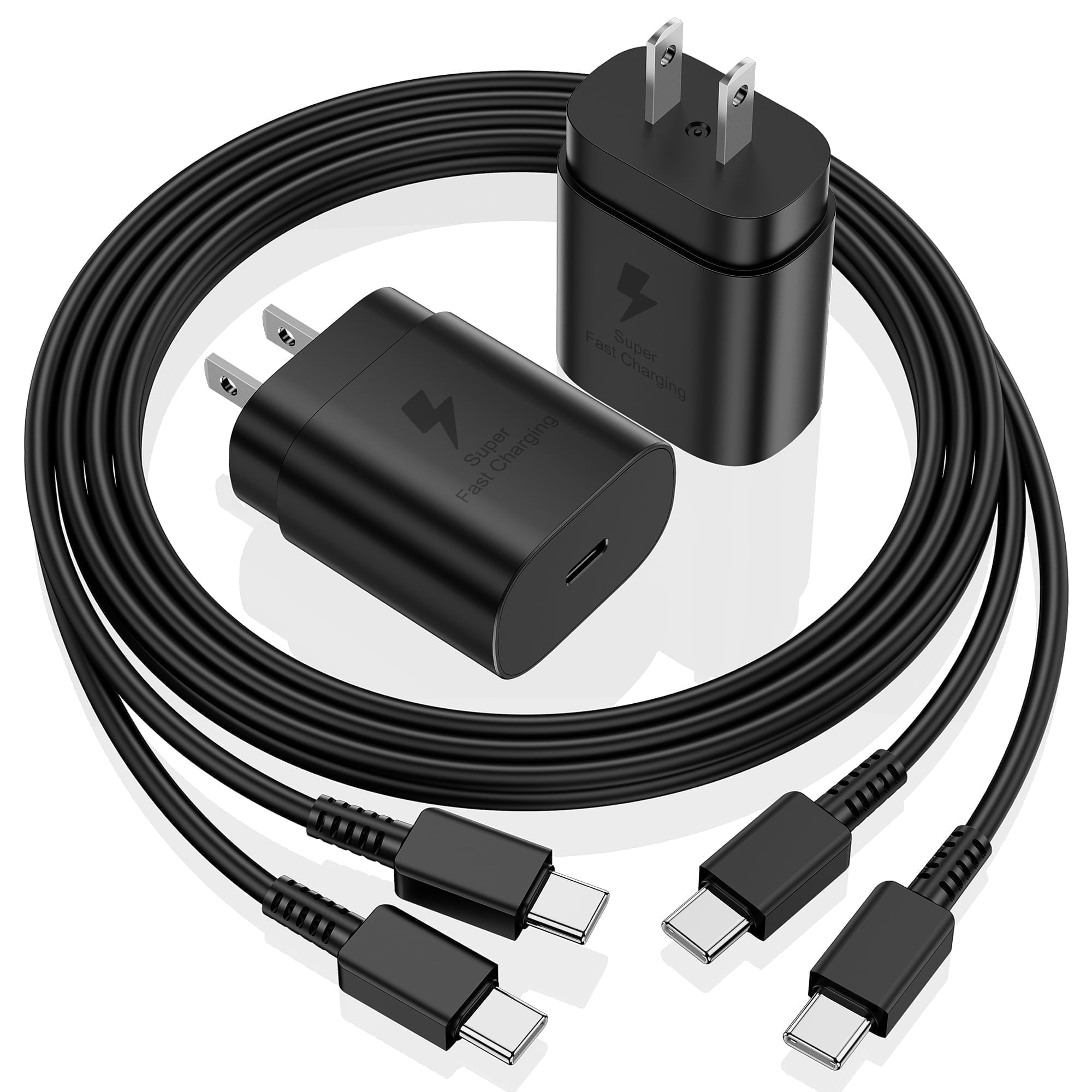
The Truth About Fast Charging: Is It Really Faster?
Fast charging technology has revolutionized the way we power our devices, allowing users to recharge their smartphones and tablets significantly quicker than traditional methods. However, the term 'fast charging' can be misleading as it implies a universal speed increase. In reality, the efficiency of fast charging depends on several factors, including the charger, the device's internal battery management system, and the cable used. Devices that support fast charging often utilize higher voltage levels or varied charging protocols, but the actual speed gains may vary widely based on these elements.
Some users may experience reduced charging speeds after a certain percentage, typically around 80%, due to the battery management system's design to preserve battery health. This means that while the initial stages of charging are significantly accelerated, the final 20% can take just as long as conventional charging. Therefore, it's essential to understand that while fast charging is indeed faster at the outset, the overall performance can be subject to diminishing returns. Ultimately, knowing your device's capabilities and using the appropriate charging equipment is crucial to maximizing efficiency.
If you're looking to simplify your charging routine, consider the Top 10 Desk Wireless Chargers, which offer a convenient and stylish solution for powering up your devices. These chargers come in various designs and features, ensuring that you can find one that suits your workspace perfectly. Whether you need something compact or feature-rich, the options available cater to all preferences.
Do Expensive Chargers Really Make a Difference?
When it comes to charging our devices, the question Do expensive chargers really make a difference? often arises. Many consumers wonder if spending extra on a high-end charger provides tangible benefits. In general, the price of a charger can correlate with its build quality, efficiency, and features. For instance, many expensive chargers come equipped with fast charging capabilities and better safety features, such as over-current and over-voltage protection. This means that while a cheaper charger may initially save you money, it could cost you more in the long run by potentially damaging your device or offering slower charging speeds.
On the other hand, not all high-priced chargers guarantee superior performance. It's crucial to research and read reviews to determine if a more expensive option truly offers enhanced functionality. Factors to consider include the charger's wattage, compatibility with your device, and whether it’s certified by reputable standards like USB-IF. In conclusion, while expensive chargers can provide benefits, it’s essential to evaluate individual needs and do comparisons to ensure you’re making a smart investment in your charging accessories.
How Charging Habits Affect Your Phone's Battery Life
Understanding how charging habits affect your phone's battery life is crucial for optimizing performance and longevity. One common misconception is that it's fine to let your device's battery drain completely before recharging. In reality, lithium-ion batteries, which most smartphones use, benefit from partial discharges rather than full ones. Regularly charging your phone when it drops to around 20-30% will help maintain better battery health over time.
Equally important is the method of charging. Fast charging can be a convenient option, but frequent use may generate excess heat, which can degrade battery capacity. For daily charging, consider using a standard charger or wireless charging pads at lower temperatures. Additionally, unplugging your device once it reaches 100% can prevent overcharging, which is detrimental to the battery life. By adopting mindful charging habits, you can significantly extend the life and efficiency of your smartphone’s battery.